
This project has been funded with support from the European Commission.
This material reflects the views only of the author, and the Commission cannot be held responsible for any use which may be made of the information contained therein
This project has been funded with support from the European Commission.
This material reflects the views only of the author, and the Commission cannot be held responsible for any use which may be made of the information contained therein
Also available in:


Integration of immigrants students
Guideline for Teachers

5. Act on conceptions and attitudes in the classroom

Mutual ignorance and lack of understanding are the causes of many misunderstandings and blunders. These may hinder successful integration of immigrant children at school and may be an obstacle to effective communication and to the learning progress.
Training Sources From the School Safety Net Portal
Publications From the School Safety Net Portal
Success Stories From the School Safety Net Portal
Websites

20 December 2014
Final Partners’ meeting
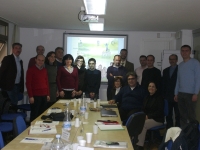
The fourth partners’ meeting took place in Florence (IT) on 15 December 2014. The meeting had the objective to check the activities carried out since the third meeting of the project and share and assess the in progress results. A special focus has been dedicated to the presentation of the strategies to solve the case scenarios.